How do I know if I’m allergic to colored ink?
So you’ve asked yourself, “How do I know if I’m allergic to coloured ink?” before booking a lip blush, brow tattoo or body ink appointment? You’re already on the right track. Knowing how your skin might react to tattoo ink isn’t just a good idea—it’s essential. Allergic reactions to tattoo pigments are rare, but when they do happen, they can be persistent, uncomfortable and tricky to fix.
In this article, I’ll break down what skin reactions to ink allergies look like, what causes them, how to avoid them and what to do if your immune system decides to have a reaction. I’ll get straight to it. No fluff. Just real advice, science, sterile water hygiene and studio experience.
Coloured Ink Allergies: Early Symptoms
If your skin is unhappy, it will tell you. But what does an allergic reaction actually look like?
Here are the most common signs you might be experiencing a tattoo ink allergy:
- Redness or swelling beyond the normal healing window (i.e. more than 7-10 days)
- Itchy bumps, rashes or hives forming over or near the tattooed area
- Dry, flaky or peeling skin that doesn’t resolve with aftercare
- Blistering or oozing lesions (yes, gross but real)
- Raised or thickened skin texture over the pigmented area
- Keloid scarring or prolonged inflammation
These symptoms can indicate allergic contact dermatitis or a deeper immune system reaction. They can show up days, weeks or even months after the tattooing process. It’s not always immediate—and that’s part of what makes diagnosing allergic reactions so confusing.
Red, pink, and purple often cause reactions
Some colours are more likely to trigger an immune response than others. Spoiler: red ink is the diva of tattoo ink allergies.
Here’s why:
- Red and pink pigments often contain mercury sulfide, iron oxide pigments or azo dyes—all of which are more allergenic.
- Purple and violet tones can include aluminium or manganese compounds.
- Yellow ink sometimes includes cadmium, which has a higher risk of causing reactions.
- Organic pigment sources aren’t always safer; they can still provoke an allergic response depending on the compound.
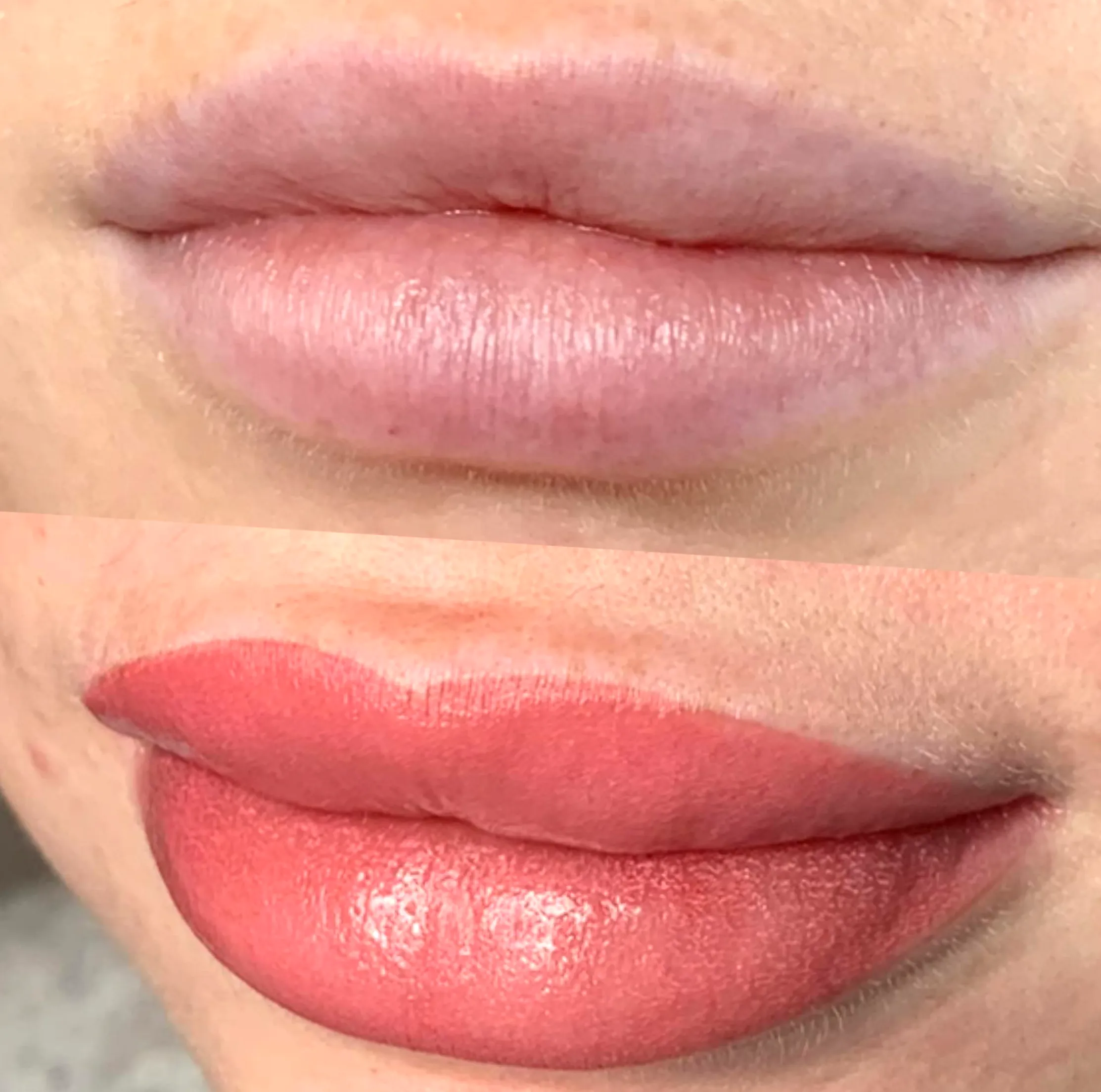
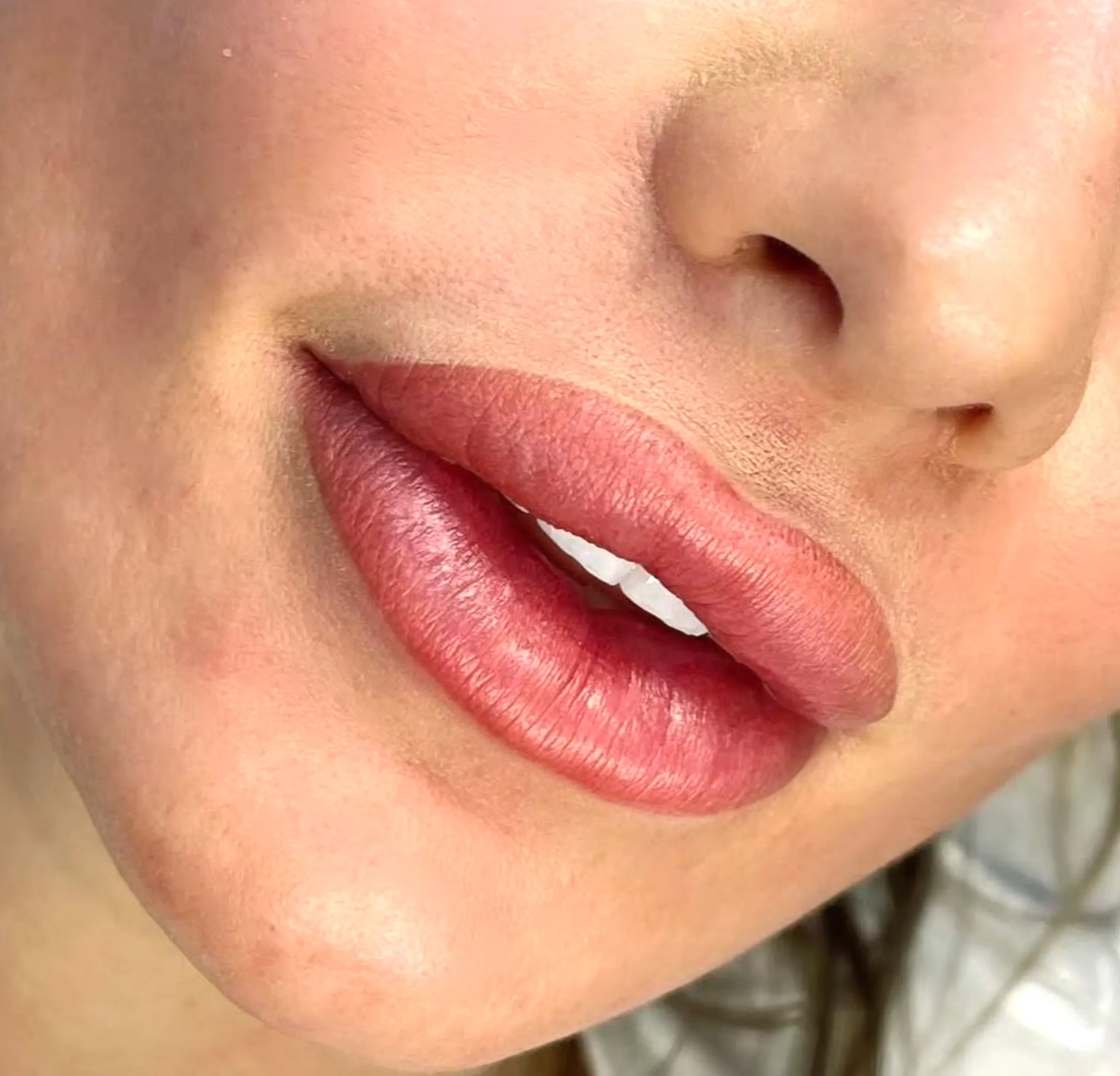
A 2025 Australian dermatology study found that red ink caused over 65% of skin reactions to tattoo pigments, with blue and yellow a distant second and third. If you’re getting Lip blushing or permanent lip liner, these pigments often include red and pink variations, so they may be more likely to cause sensitivity in some clients.
Are Cosmetic Inks Safer Than Body Inks?
Good question—and the short answer is: often, yes. But not always.
Cosmetic tattoo pigments are:
- Smaller particle size for easier fading
- Designed for facial skin, which is more reactive than body skin
- Filtered for sterile water use and tested for heavy metals
At our Melbourne tattoo parlour, we use pigment ranges that are mercury- and iron oxide-free, and we run chemical analysis using mass spectrometry on questionable batches. Contaminated ink is a no-go. If your tattoo artist can’t tell you where their pigment is from or what’s in it, that’s a big red flag.
We’ve seen a lot of lip blushing in Melbourne lately, and with that comes more questions about pigment safety, long-term healing and how to avoid unexpected skin reactions.
Patch Testing: When, Why and How We Do It
A patch test is your skin’s sneak peek of what’s to come. While not foolproof, it can detect many allergic reactions before they get out of hand.
How we patch test:
- A small dot of tattoo ink is placed behind the ear or on the inner arm
- Covered and monitored for 24-72 hours
- Redness, itchiness or swelling = possible allergic reaction
If you have a known autoimmune disorder, a history of allergic contact dermatitis or skin conditions like eczema, we recommend a skin allergy test from a medical doctor before proceeding.
We recommend patch testing for cosmetic lip tattoos, as facial skin can amplify even minor reactions.
Tattoo or Aftercare? What’s Causing the Reaction?
Not every flare-up is the pigment itself. Before you assume it’s the tattoo ink, we also check for:
- Reactions to numbing cream (especially those containing lidocaine or benzocaine)
- Bacterial infections due to poor aftercare or non-sterile tattoo equipment
- Contact dermatitis from aftercare ointments (many contain lanolin or preservatives)
- Cross reactions with skincare products or sunscreen during healing
When it comes to lip tattoo aftercare, using the wrong balm or applying products too soon can easily irritate the area or mask early signs of an allergic response.
We use only sterile, single-use tools and recommend hypoallergenic moisturiser during healing. Keep it simple, clean and fragrance-free.
If your tattooed skin isn’t healing or you have delayed inflammation months later, don’t ignore it.
Here’s your allergy plan:
- Stop all aftercare products immediately
- Wash the area gently with cool water and mild soap
- Avoid direct sun exposure and sweating
- Contact your tattoo artist for review and documentation
- See a medical doctor or dermatologist for a diagnosis
Treatment may include corticosteroid creams, steroid ointment, oral antihistamines or in persistent cases, laser treatment or laser removal.
Table: Ink Reactions vs Normal Healing
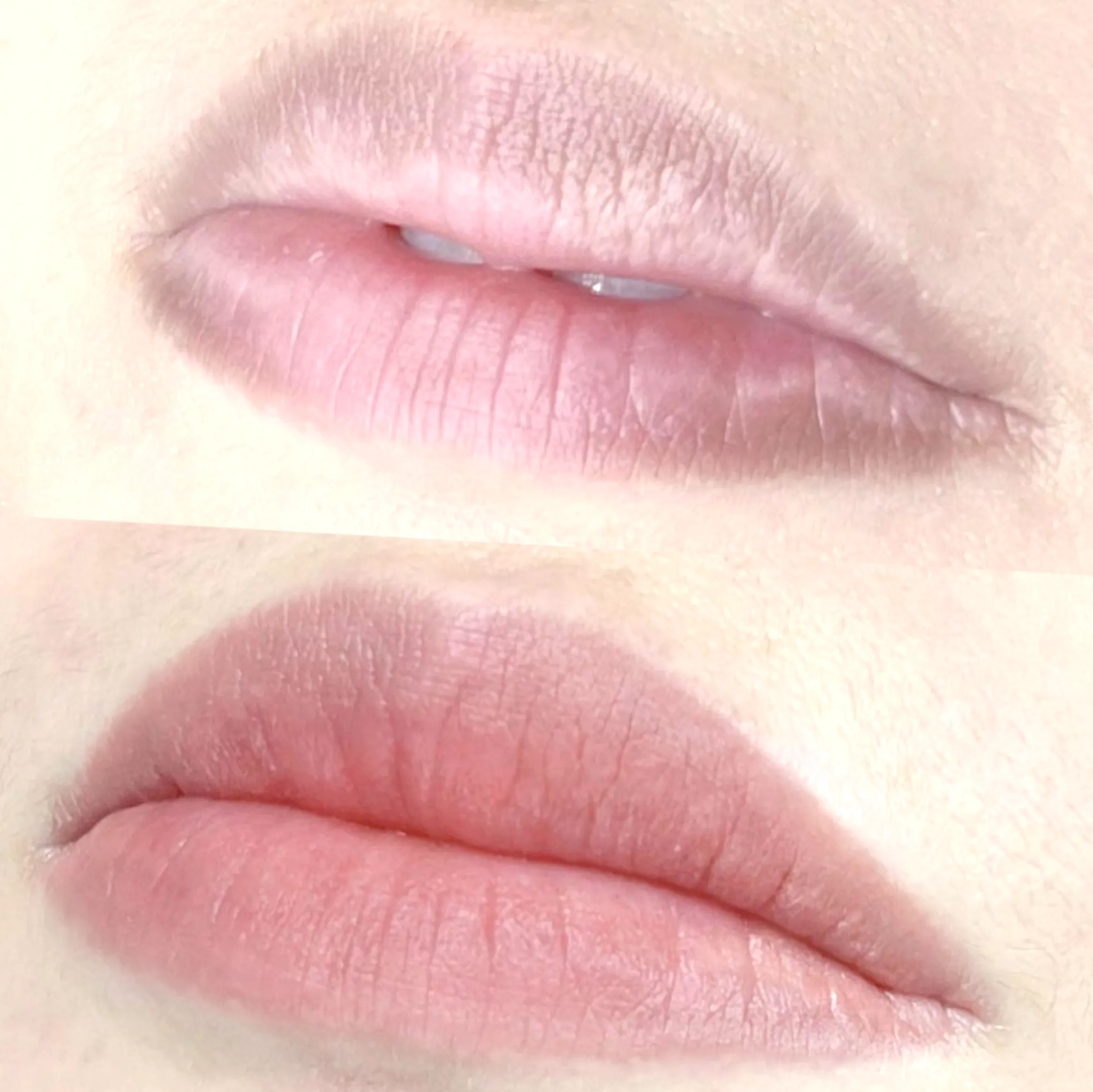
| Symptom | Normal Healing | Possible Allergy |
|---|---|---|
| Redness | 1-3 days | Ongoing after 7+ days |
| Swelling | 1-2 days | Persistent or increasing |
| Peeling/flaking | Days 3-7 | Accompanied by an itch or rash |
| Itchiness | Mild, short-lived | Severe or worsening |
| Raised or bumpy texture | Flat after 2 weeks | Still raised, inflamed, or keloid |
Can You Be Allergic to Just One Colour?
Yes. Tattoo ink allergies often target specific colours, especially industrial-grade colours like red or yellow.
We have alternative formulations made with carbon-based pigments or titanium dioxide, which are less reactive for many people.
What If I Already Have Tattoos and React Later?
Yes, delayed immune system reactions happen. Reasons include:
- Triggers like illness, stress or medications
- Breakdown of pigment due to sun or chemical exposure
- Immune response shifting over time (especially with autoimmune disorders)
In rare cases, long-term inflammation can be mistaken for skin cancer. Always have persistent skin conditions checked by a medical doctor.
Are Natural, Organic or “Vegan” Pigments Less Allergenic?
Not always. Many “natural” pigments can still cause allergic reactions. Instead, choose pigments that:
- Are lab-tested with chemical analysis
- Don’t contain heavy metals or preservatives
- Are approved for cosmetic tattoo procedures
If you’re getting cosmetic lip tattoos, don’t assume “organic” means allergy-safe, especially if you’ve had sensitivity to lip colourants in the past.
The best pigments prioritise safety, transparency and manufacturing quality, not just buzzwords.
Conclusion
Coloured ink reactions are rare but real. Asking “How do I know if I’m allergic to coloured ink?” could save you from an allergic reaction that requires medical attention, laser therapy or even pigment removal.
The best approach? Choose a well-trained tattoo artist, ask about tattoo pigments, get a patch test if you have a history of allergic reactions or skin conditions and avoid mystery ink.
Thinking of getting a cosmetic tattoo in Melbourne? Ask us about our skin allergy test protocol and certified pigment lines, especially if you’re after lip blushing or permanent lip liner enhancements.
As a Melbourne-based tattoo artist at Cosmetic Tattoo Studio Face Figurati, I’ve seen the full spectrum of reactions to tattoos (the good, the bad and the wildly unexpected).
FAQ
Can I be allergic to one pigment but not others?
Yes. Tattoo ink allergy is often colour-specific. Red ink is the most common offender, but others (like yellow ink) can also trigger an allergic reaction.
How long after a tattoo can an allergy show up?
It could be immediate or delayed by weeks or even months. Your immune system can trigger an immune response well after healing.
Should everyone get a patch test before a tattoo?
If you have skin conditions, autoimmune disorders or a history of allergic reactions, a patch test is highly recommended.
Will antihistamines stop a tattoo allergy?
They might reduce symptoms but won’t stop the immune response if the ink is the cause. See a medical doctor for diagnosis and treatment advice.
Can tattoo ink allergies be treated or reversed?
Yes, in some cases. Corticosteroid creams, sublingual immunotherapy (in rare cases) and laser removal for severe reactions.