How Many Deaths at Cahills Crossing?
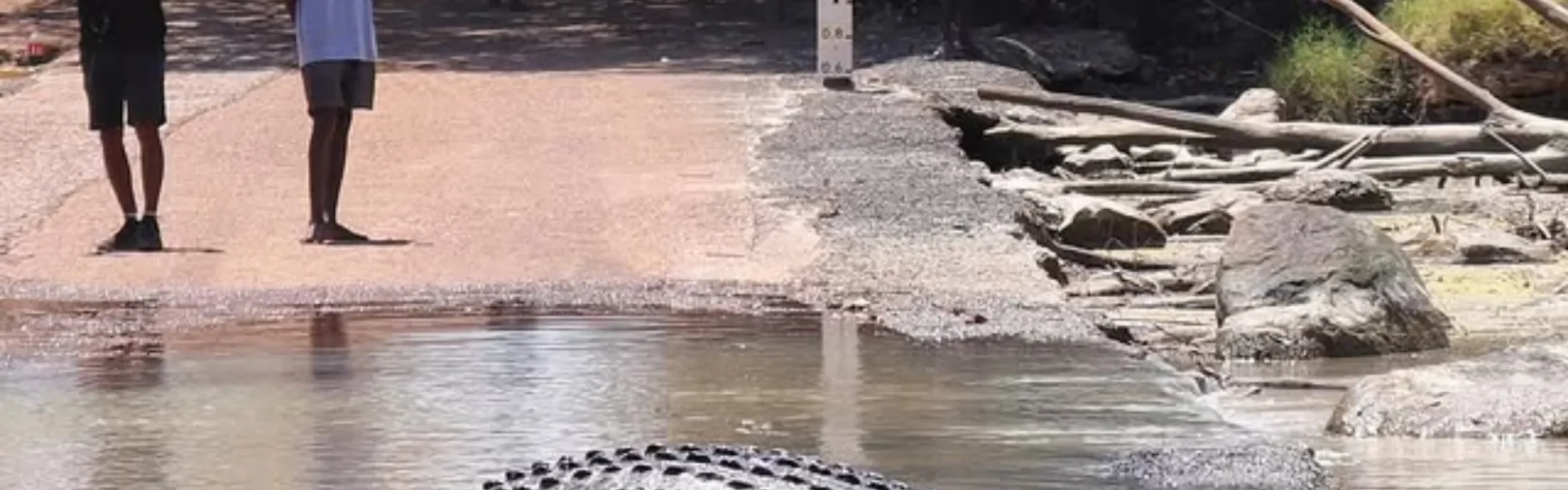
Cahills Crossing, a crocodile-infested crossing in the Northern Territory, is one of Australia’s most deadly river crossings. Situated on the East Alligator River, this concrete causeway links Kakadu National Park to Arnhem Land and is infamous for its crocodiles, fast tides and human stupidity. It’s been in the global news due to amazing footage of dozens of saltwater crocodiles hanging out here—just metres from people.
But how many people have died at Cahills Crossing? What makes this a black spot in the Top End? Here are the facts.
The Reality
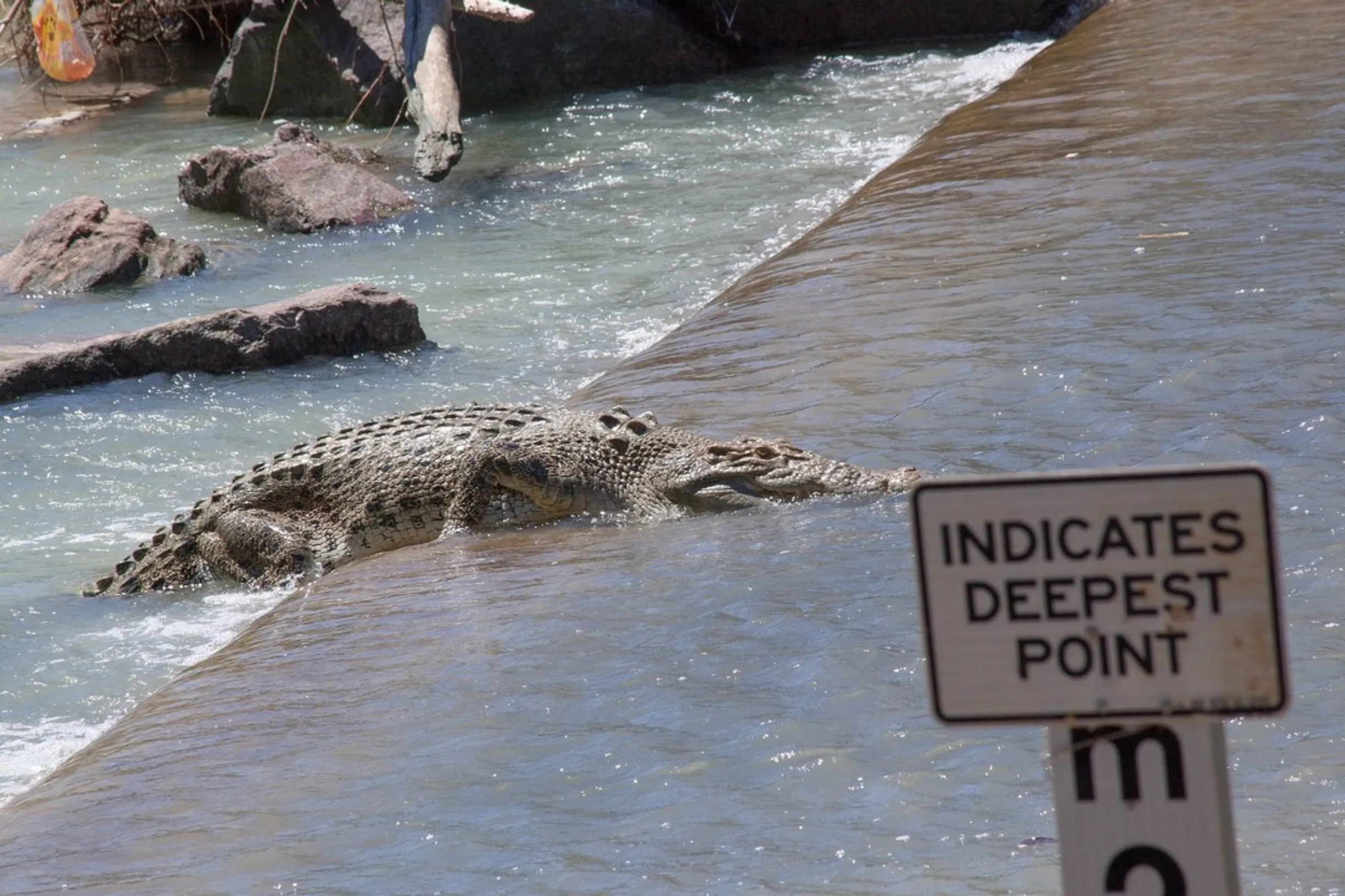
At least six people have died at Cahills Crossing in the last 40 years, with the most well known being 40 year old Kerry McLoughlin, who was killed by a 3.5-metre saltwater crocodile in 1987. He was fishing in shallow water when the crocodile attack happened in front of his mates and family. More recently, the body of a 47-year-old man was found after a suspected crocodile incident at the crossing in 2017, which has raised concerns about the abundance of saltwater crocodiles and copycat behaviour.
Deaths have included a 40-year-old Jabiru man, a 40-year-old tourist, and a 40-year-old fisherman, which shows that crocodiles can ambush humans in murky water. Authorities say it’s only a matter of time before another tragedy happens, especially when hundreds of people are at the crossing during the dry season—often on a Kakadu Day Trip from Darwin.
Why Is It So Deadly?
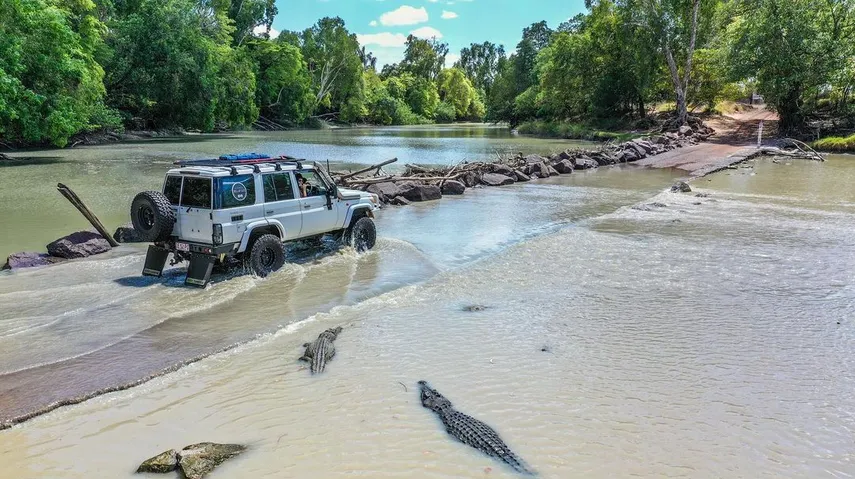
Cahills Crossing is a famous river crossing because the water level changes with the wet season and dry season tides. The depth of water can rise quickly—going from cement causeway to croc-infested water in a couple of hours. The Northern Territory’s top predators, saltwater crocodiles, thrive here because of the fish and human traffic.
Visitors on a Darwin to Kakadu day trip often stop here without realising how fast the conditions can change. Lack of local knowledge is a big contributor to the incidents.
Other reasons for its deadliness include:
- Tidal surges that flood the road
- People are ignoring crocodile warning signs and trying to cross on foot
- Clueless families and tourists are treating the spot like a family holiday destination
- Dozen people gathering in unsafe areas despite repeated advice in visitor brochures
- Video footage of people drinking beer cans and being reckless around dangerous water
As Lyndon Anlezark, a crocodile management supervisor for Parks Australia, says, “Honestly, people don’t realise the crocodile safety issue. It’s bloody horrific.”
Safety Warnings and Management
Parks Australia and Kakadu Park Rangers are working to combat risky behaviour through better signage, adjacent walking tracks and frustrated tour operators speaking out. Brochures, visitor centre briefings and Kakadu tours all advise tourists not to walk through the croc infested waters.
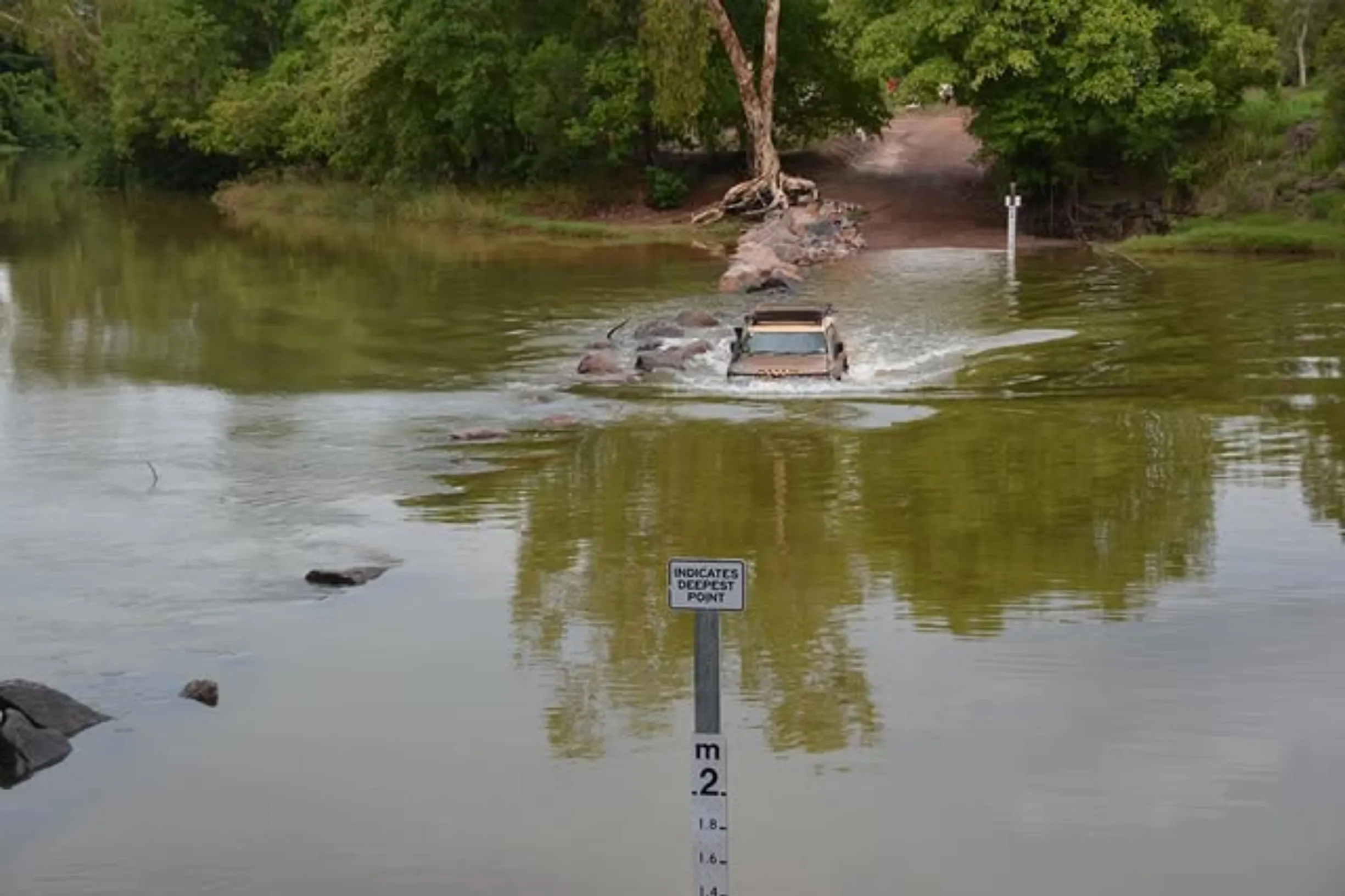
But visitor antics continue to put lives at risk. The crossing has become a copycat hotspot, fueled by Australian tour companies promoting the site as a “must-see”, especially for those on short itineraries like a 2 day Kakadu tour.
Crocodile Encounters at Cahills Crossing
There is no place on earth with more saltwater crocodiles than Cahills Crossing. Daily 3.3-metre to 5.1-metre crocodiles congregate to catch fish during the incoming tide. Freshwater crocodiles may be seen—yet it’s the giant crocodiles lurking just beneath the surface that are the real danger.
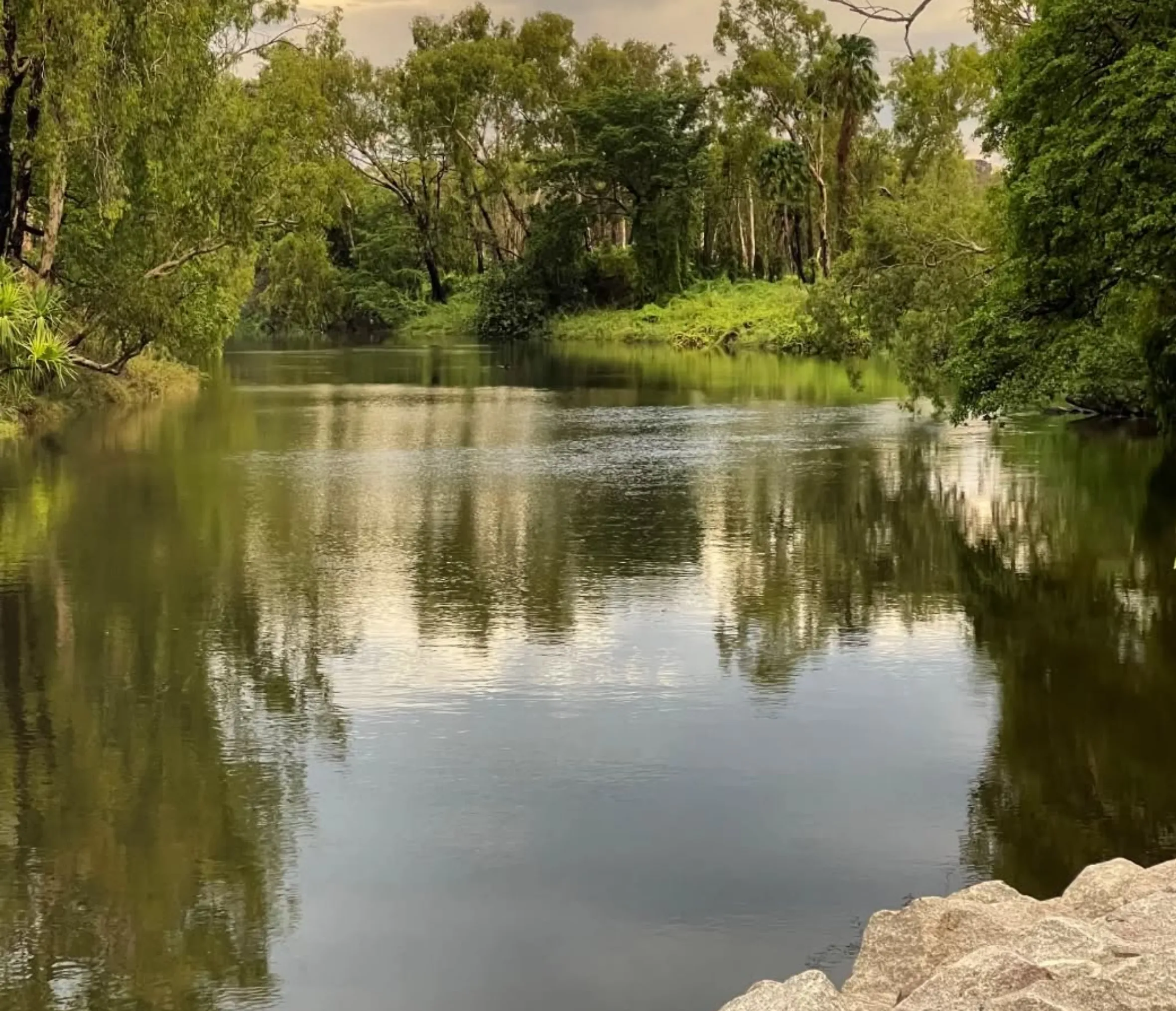
Crocodiles here have attacked vehicles, lunged at crocodile attack victims and been seen with human remains in their jaws. Rangers have filmed a 3.5-metre crocodile dragging a man downstream, another 4-metre crocodile caught on camera doing dangerous crocodile activity in broad daylight. These apex predators can stay underwater for hours, silently stalking anything that moves.
For many visitors, seeing these apex predators up close is the highlight of their Kakadu National Park visit—but do so from a safe distance.
Responsible Tourism and Cultural Awareness
Cahills Crossing is the gateway to Arnhem Land, one of Australia’s most culturally rich and spiritually significant regions, home to many Indigenous people and Aboriginal persons who have lived here for thousands of years. Crossing into Arnhem Land requires a permit, and visitors must approach with respect for traditional knowledge, sacred sites and crocodile sense—a deep awareness of the dangers of crocodiles that locals have lived with for generations.
Tour operators and rangers advocate for responsible tourism, education over thrill-seeking. For locals, this isn’t just a scenic destination—it’s part of a deep cultural landscape shaped by survival, lore and the aftermath of crocodile attacks.
If you’re planning a Kakadu Day Trip from Darwi, make sure you choose operators who respect local customs and emphasise crocodile safety in their tours.
Tips for Visiting Safely
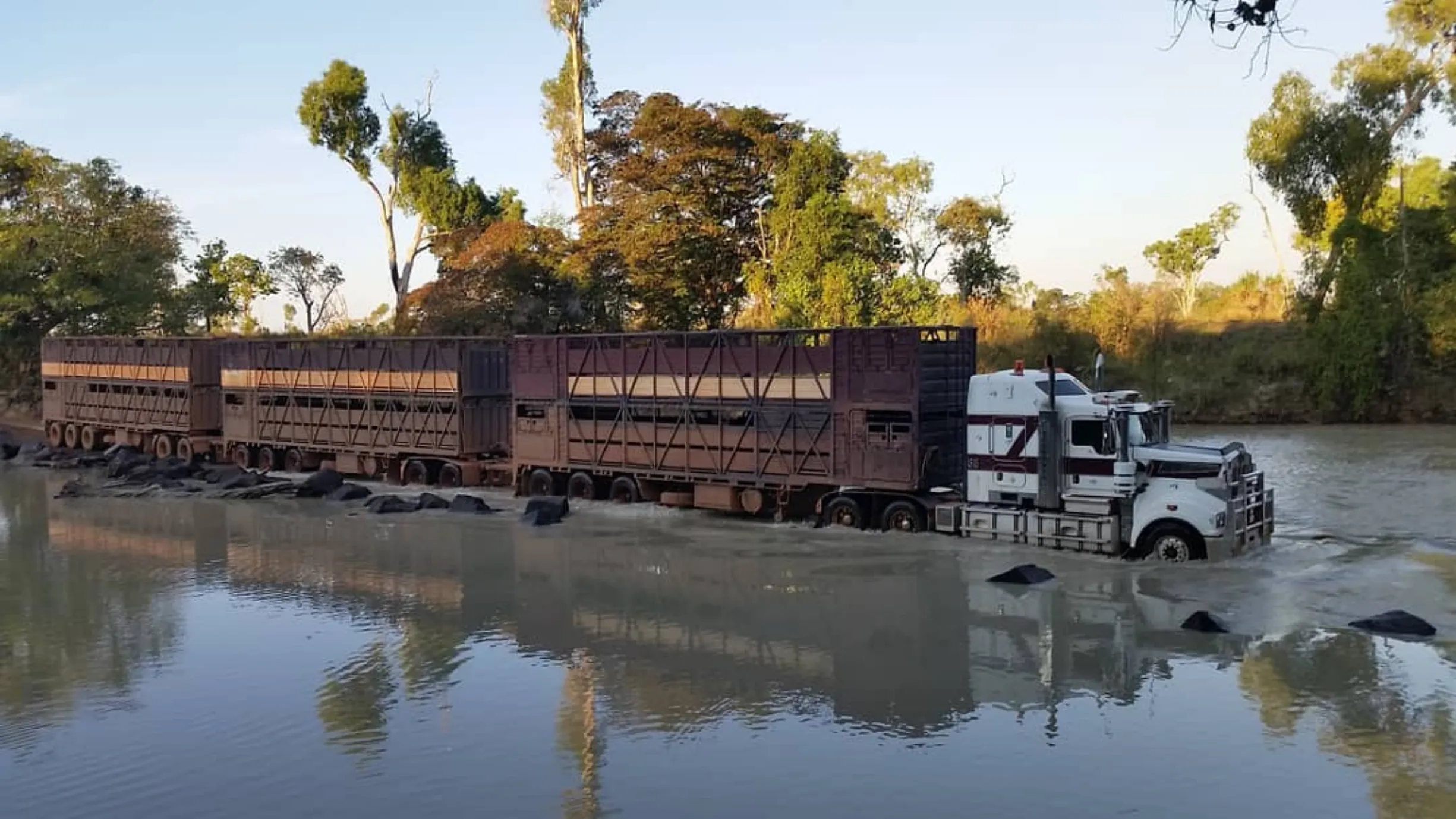
To enjoy the amazing moment, water is alive without putting yourself at risk. Follow these Kakadu safety rules:
- Never walk or drive through water-covered causeways
- Stay on the viewing platforms, not the road or water
- Don’t fish or wade, even in shallow water
- Check water levels and tide times before you go
- Take a guided Kakadu tour or 2 day Kakadu tour for maximum safety
- Never underestimate the power of crocodiles in crocodile country
FAQ
How many people have died at Cahills Crossing?
At least 6 known deaths have occurred, many from crocodile attacks and vehicles being swept away during high tide.
What makes Cahills Crossing so deadly?
Water depth changes, strong tidal currents and an abundance of saltwater crocodiles. Risky behaviour is a big factor.
Are there crocodiles at Cahills Crossing every day?
Yes. Dozens of crocodiles, including 3.5-metre to 5.1-metre predators, are seen daily, especially at high tide.
Can you safely visit Cahills Crossing?
Yes—use the viewing area, don’t enter the water and follow all warnings from wildlife rangers and Parks Australia.
Is Cahills Crossing part of Kakadu tours?
Yes. Many Darwin to Kakadu day trip itineraries and longer tours include Cahills Crossing as part of Kakadu National Park experiences.