Start planning your trip to Australia
Planning a trip to Australia is an exhilarating journey that promises stunning landscapes, vibrant cultures, and unforgettable experiences. As you embark on this adventure, understanding the essentials—from choosing your destinations and budgeting to preparing for the unique flora and fauna—will set you up for a successful trip. In this article, we will guide you through crucial aspects of planning your Australian getaway, ensuring you make the most of your time down under.
Determine Your Destinations
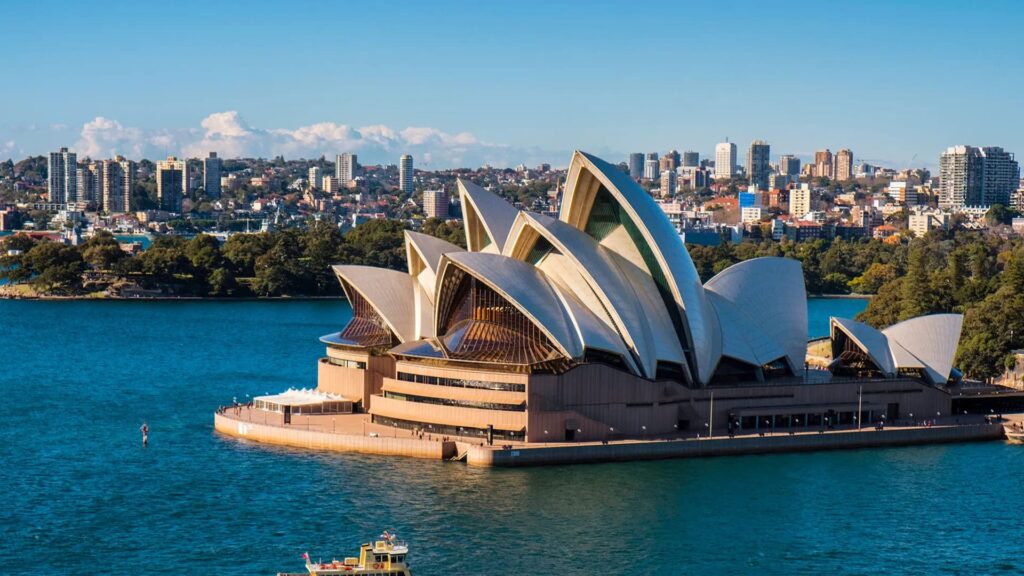
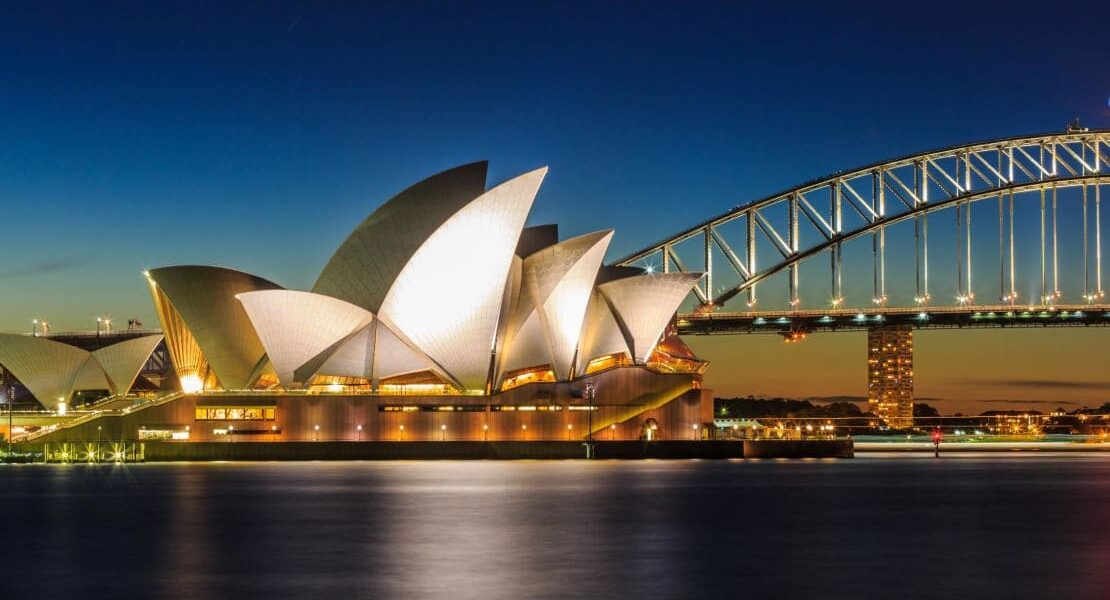
Australia is a vast country with diverse ecosystems and landscapes, making it essential to pinpoint which destinations you wish to explore. The major cities—Sydney, Melbourne, Brisbane, and Perth—each offer distinct experiences, from Sydney’s iconic Opera House to Melbourne’s vibrant arts scene. If you’re keen on the great outdoors, the Great Barrier Reef, Uluru (Ayers Rock), and the Blue Mountains are must-visit locations. Consider whether you want to focus on cities, nature reserves, or perhaps a mix of both. Researching destinations helps create an itinerary that aligns with your travel preferences, be it adventure, relaxation, or immersion in local culture.
When selecting your destinations in Australia, you might want to take note of the following popular locations:
-
- Sydney: Famous for the Sydney Opera House and Sydney Harbour Bridge.
- Melbourne: Known for its coffee culture and vibrant street art.
- Great Barrier Reef: A UNESCO World Heritage Site, perfect for snorkeling and diving.
- Uluru: A sacred site for Indigenous Australians, offering spectacular sunsets.
- Gold Coast: Renowned for its stunning surf beaches and theme parks.
Best Time to Visit

Choosing the right time to visit Australia can significantly enhance your experience. Given the country’s size, seasonal variations can vary widely. Generally, the southern parts of Australia experience summer from December to February and winter from June to August. Conversely, northern regions boast a tropical climate with a distinct wet and dry season. If you are after pleasant weather and fewer crowds, consider visiting during the shoulder seasons—spring (September to November) and autumn (March to May). Each season offers unique events and festivals, enhancing your cultural experience and giving you a taste of local life.
Plan Your Budget Wisely
Establishing a budget is a critical step when planning your trip, as it influences your accommodation, activities, and dining choices. Australia can be expensive compared to other travel destinations, so it’s important to allocate your resources strategically. Budgeting should include considerations for flights, local transportation, accommodations, food, activities, and any extras like shopping or souvenirs. To stretch your budget further, look for free or low-cost attractions, which Australia has in abundance, such as national parks and stunning beaches. Additionally, consider various lodging options ranging from luxury hotels to budget hostels or even local Airbnb rentals that can offer an immersive experience at a reasonable price.
Travel Logistics and Essentials

Once your destinations and budget are outlined, it’s essential to tackle the logistics of your travel. Research visa requirements and ensure your passport is valid for at least six months from your planned departure date. Booking flights in advance can also often lead to better deals. Consider the various transportation options for getting around in Australia, from rental cars to domestic flights, as the distances between major cities can be significant. Furthermore, consider purchasing travel insurance for peace of mind during your adventures, covering potential mishaps such as cancellations or medical emergencies. Don’t forget to familiarize yourself with local customs and regulations, such as tipping practices and wildlife encounters, to enjoy a seamless experience.
Pack Wisely
Last but not least, packing appropriately is vital for a comfortable trip. Australia’s climate can vary drastically across regions and seasons, so tailor your wardrobe to your destinations and planned activities. Lightweight, breathable clothing works well for tropical areas, while warmer layers are necessary for the cooler southern regions. A good quality pair of walking shoes is crucial if you plan to explore natural attractions or urban landscapes extensively. Don’t forget essentials such as sunscreen and insect repellent, particularly if you’re venturing into the great outdoors. A travel-sized first aid kit and reusable water bottle can also enhance your travel experience, ensuring you’re prepared for any situation.
Conclusion
Planning your trip to Australia may seem daunting, but by taking the right steps to choose your destinations, budget wisely, and prepare appropriately, you can ensure an unforgettable experience. From the vibrant cities and stunning landscapes to the welcoming locals and unique wildlife, every moment spent in Australia is bound to be remarkable. So start your adventure today, and before you know it, you’ll be soaking in the Aussie sun!
FAQs
Yes, most travelers will need a visa to enter Australia. Make sure to check the specific visa requirements based on your nationality and purpose of visit.
2. What is the best time of year to visit Australia?
The best time to visit depends on the regions you want to explore. Generally, spring (September to November) and autumn (March to May) are ideal for most places, offering mild weather and fewer crowds.
3. How can I travel around Australia efficiently?
A variety of transportation options are available, including domestic flights, trains, buses, and rental cars, making it easy to navigate between cities and attractions.
4. What should I pack for my trip?
Your packing list will depend on your destinations and activities. However, essentials include lightweight clothing, comfortable footwear, sunscreen, insect repellent, and a reusable water bottle.
5. Are there any travel restrictions in Australia?
Travel restrictions may vary depending on the current health guidelines. It’s recommended to check official sources before your trip for the latest updates on entry requirements and health advisories.